
Doljanchi is the traditional Korean first birthday celebration held in Korea when a baby turns one year old.
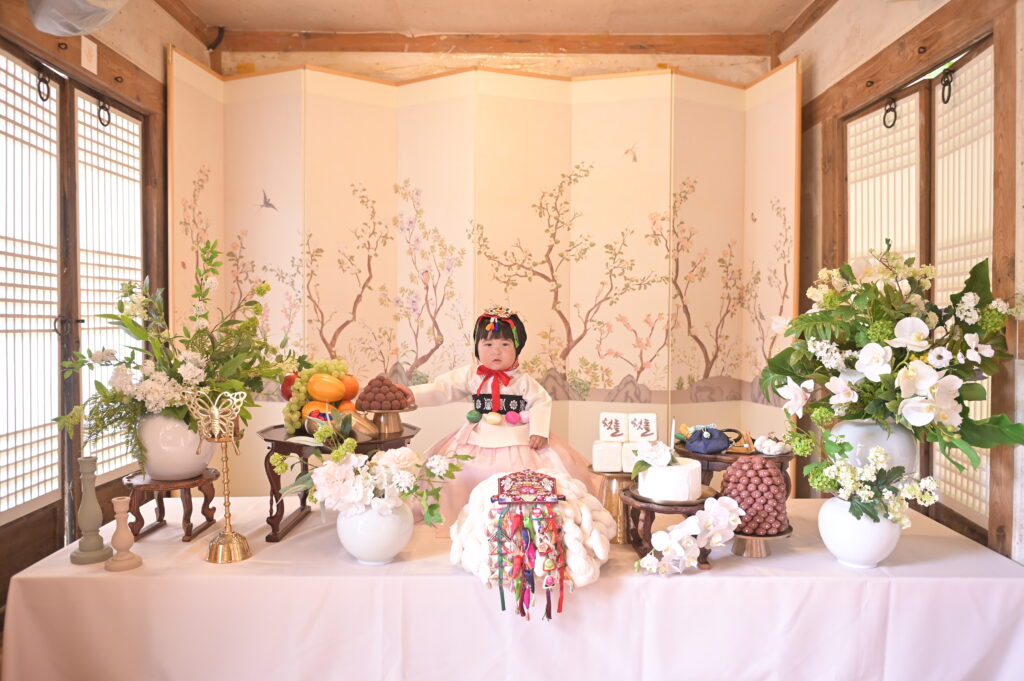
In Korea, a child’s first birthday is more than just a party.
It is a meaningful tradition called Doljanchi — a celebration held exactly one year after a baby is born.
Traditionally, families invite relatives and close friends to share a meal and celebrate the baby’s first year of life. In the past, when life was much harder and infant mortality was high, reaching the first birthday was something truly worth celebrating. A Doljanchi was a way to express gratitude and joy for the baby’s survival and health.
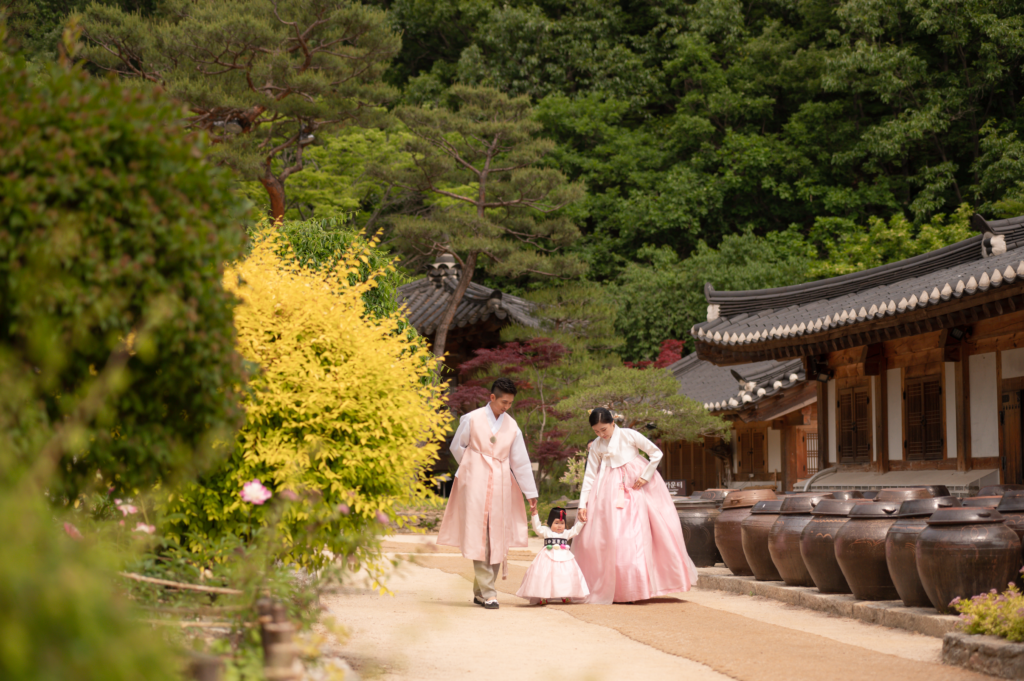
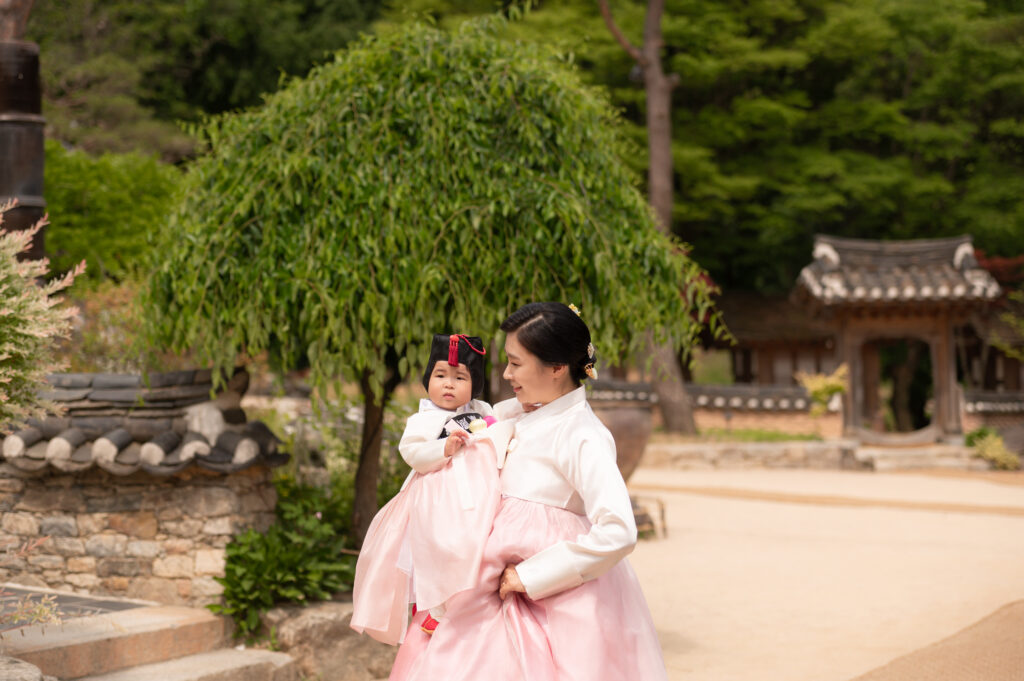
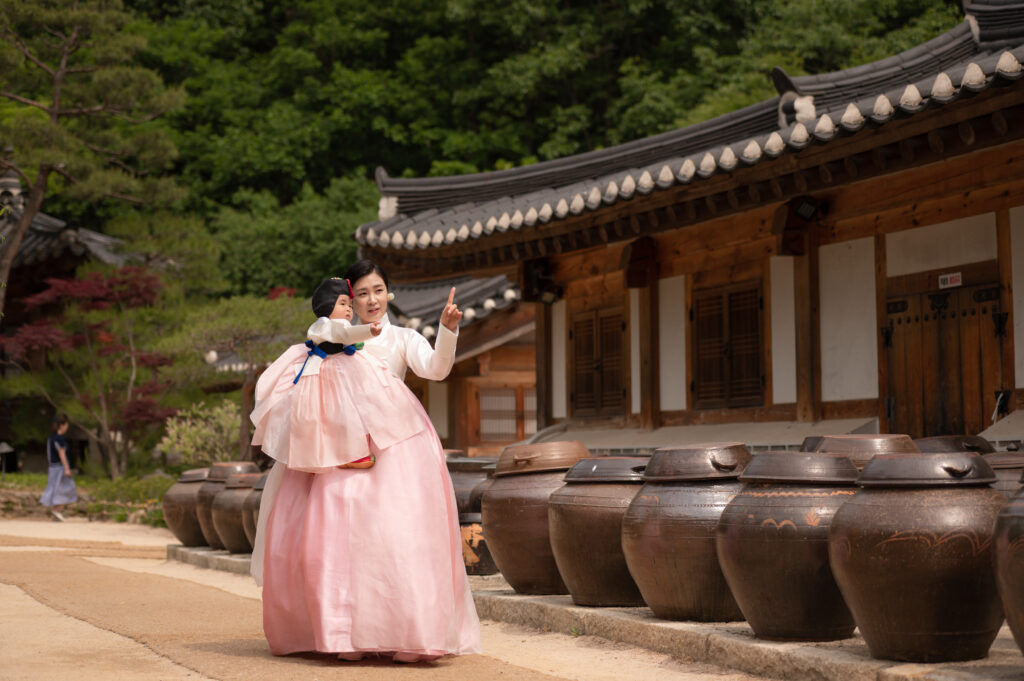
Our Doljanchi at Nak Seon Jae
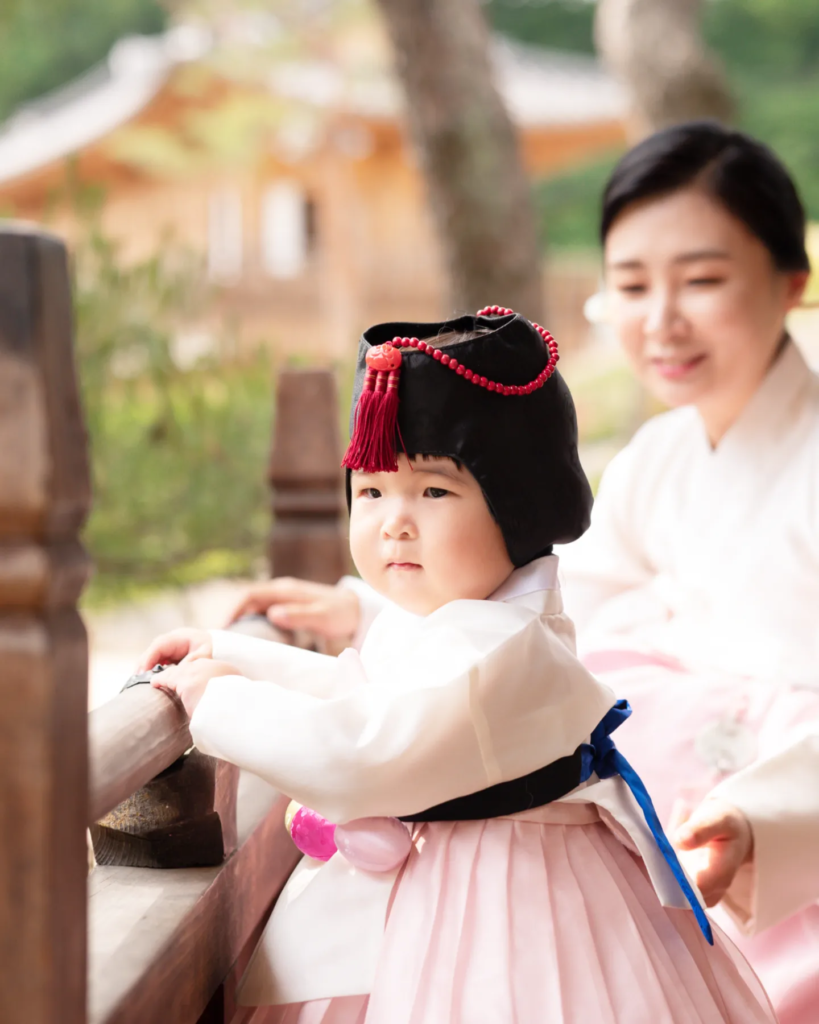
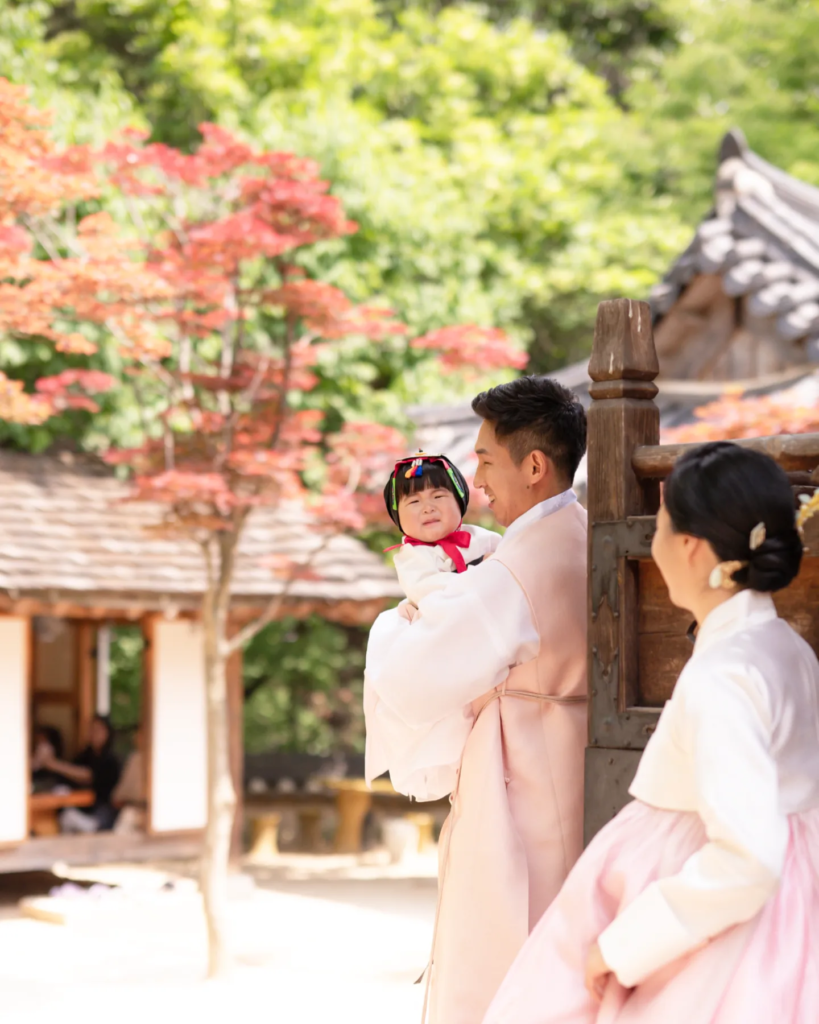
We decided to celebrate our child’s first birthday at Nak Seon Jae, a beautiful hanok-style Korean restaurant near Namhansanseong.
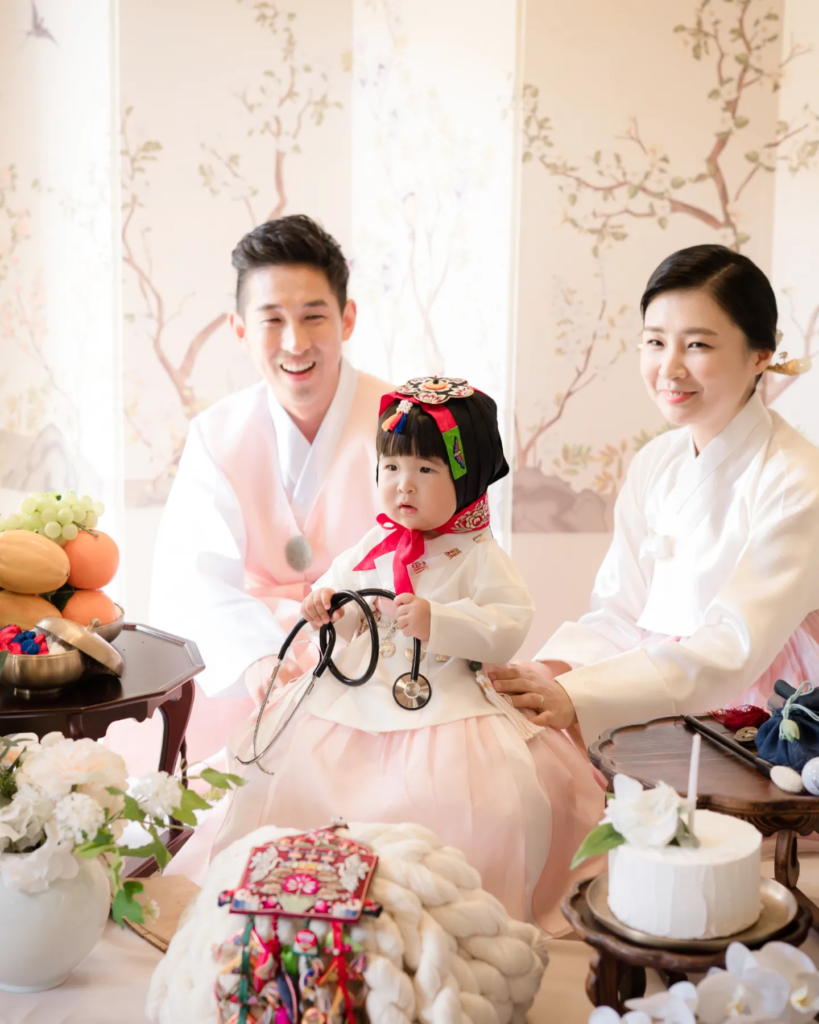
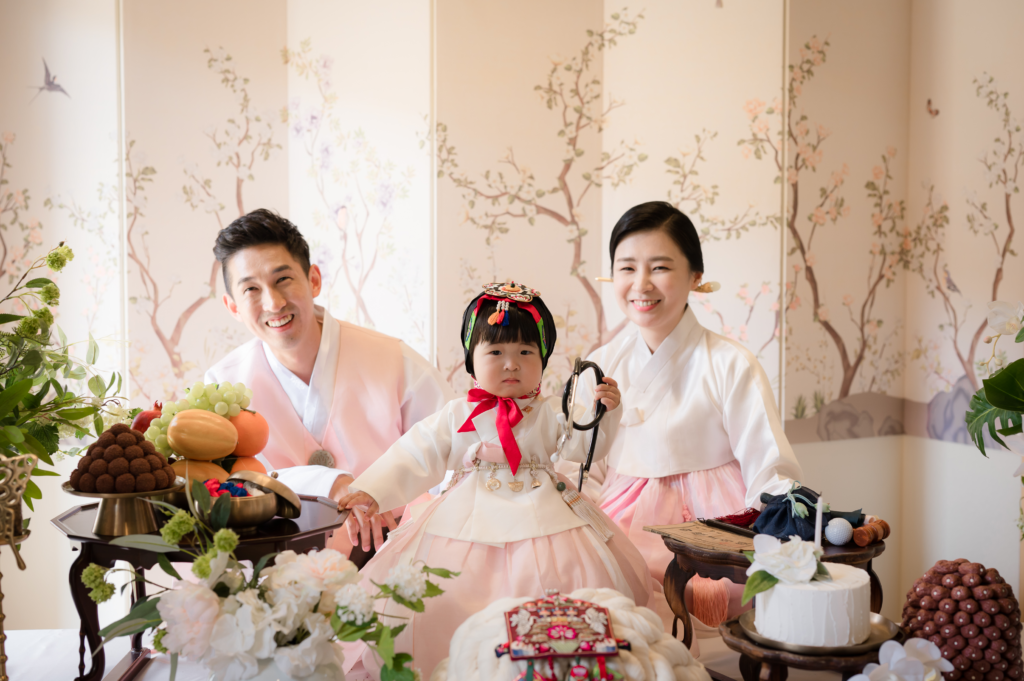
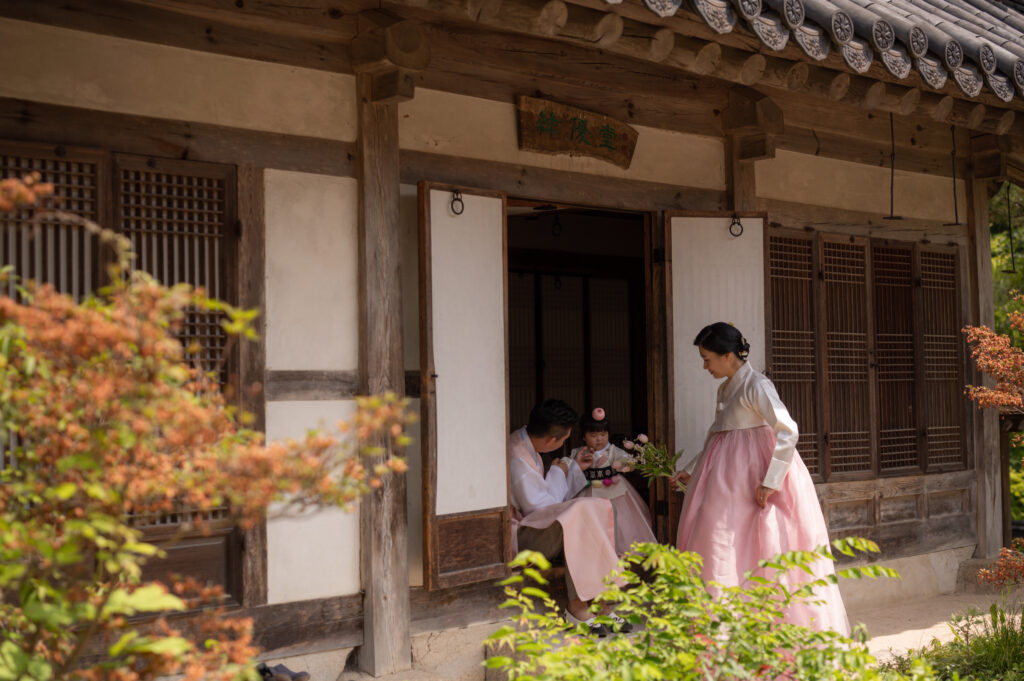
Instead of hosting a large hotel banquet, we chose a traditional setting. The wooden architecture, courtyard, and classic Korean atmosphere made it feel intimate and meaningful. We also took snap photos in hanbok against the hanok background, which turned out to be some of our most treasured family photos.
The restaurant provided a formal Korean meal for our guests, allowing us to focus on the celebration rather than logistics.
You can read more about Nak Seon Jae and its traditional hanok setting in my detailed restaurant review here.
Nak Seon Jae hanok restaurant review
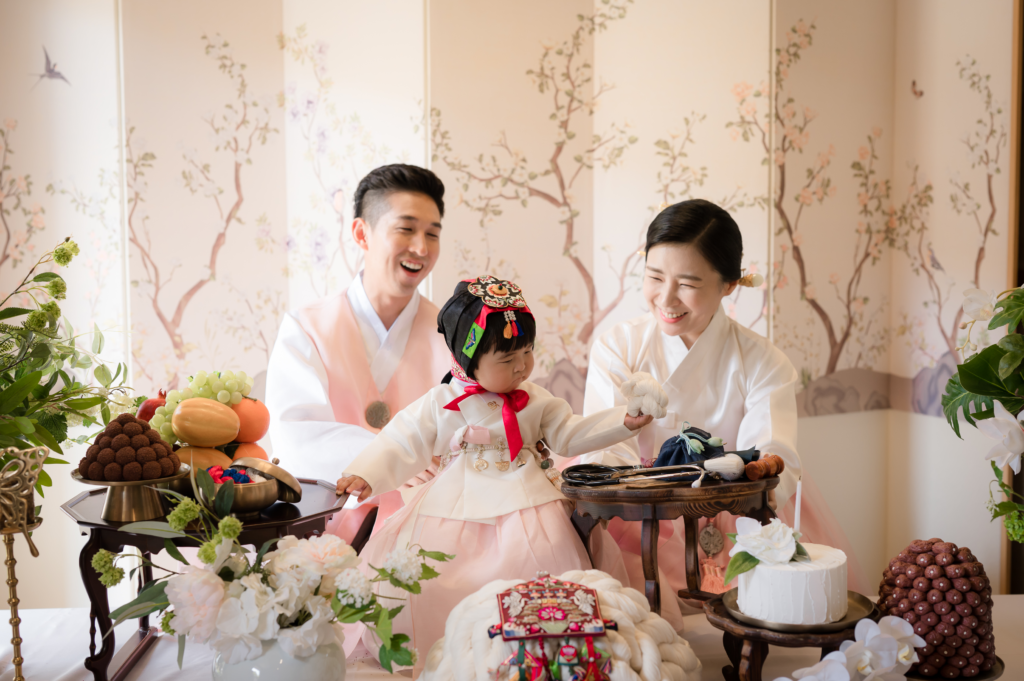
The Most Important Part: Doljabi
One of the highlights of any Doljanchi is the Doljabi ceremony.
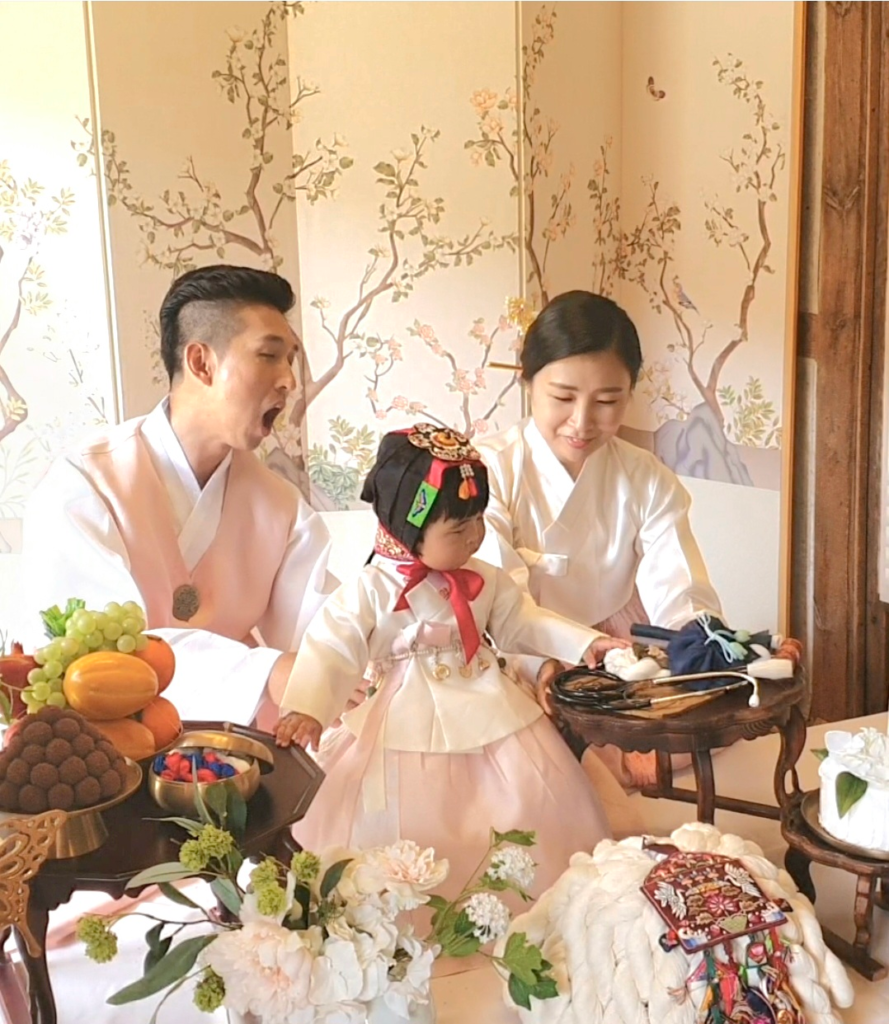
During this ritual, various symbolic items are placed in front of the baby. The baby is encouraged to pick one, and the object they choose is believed to predict their future.
Common items include:
- Thread (for long life)
- Money (for wealth)
- Pencil or calligraphy brush (for academic success)
- Gavel (for becoming a judge or holding authority)
- Stethoscope (for becoming a doctor)
- Microphone (a modern addition, symbolizing talent or fame)
Of course, it is done for fun today, but it remains an essential part of the celebration.
Watching our child crawl forward and confidently grab an item was both amusing and surprisingly emotional. Even knowing it’s symbolic, you can’t help but imagine their future.
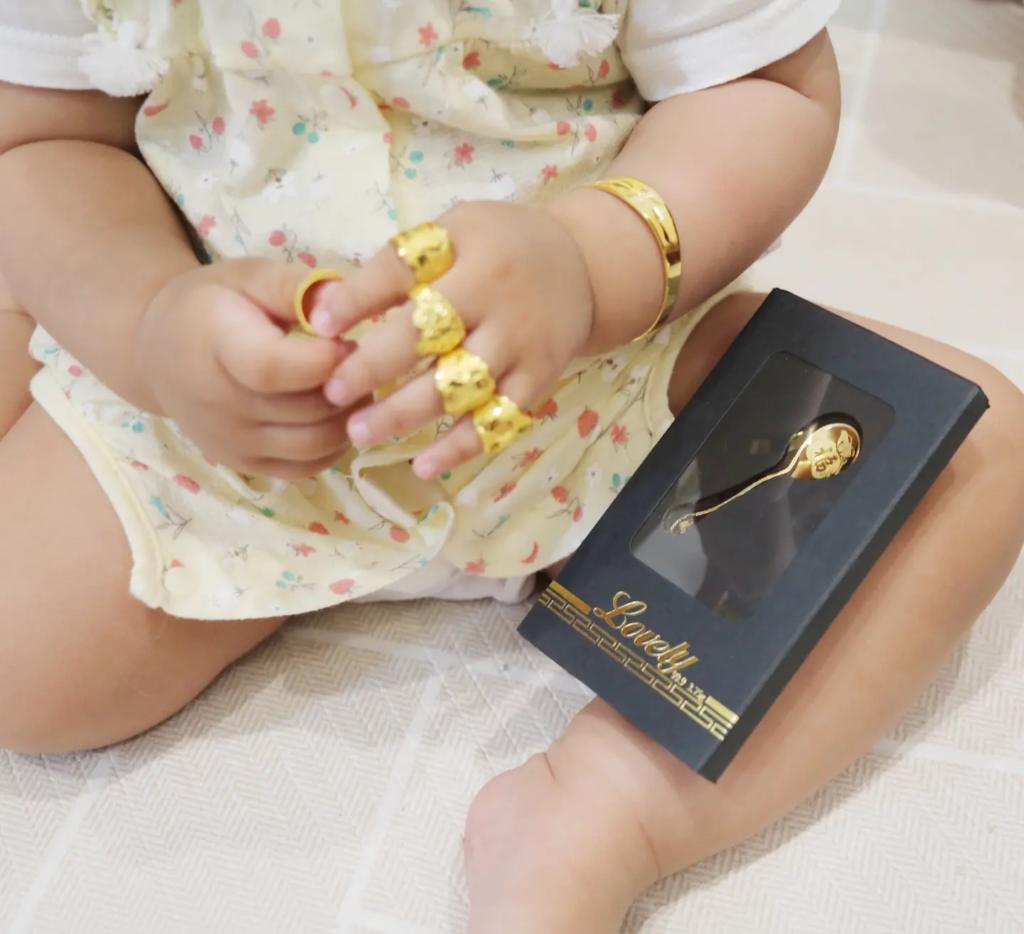
The Tradition of Gold Rings
In the past, guests commonly gave gold rings as gifts for a first birthday. Typically, these were one-don (about 3.75g) gold rings.
Our child received several gold rings from family members. In photos, you can see those tiny rings on small fingers — a sweet and slightly oversized symbol of love and blessing.
Today, with the price of gold rising significantly, gifting gold rings has become less common. Some families now choose cash gifts or practical presents instead.
Still, the tradition represents wishes for prosperity and stability in the child’s future.
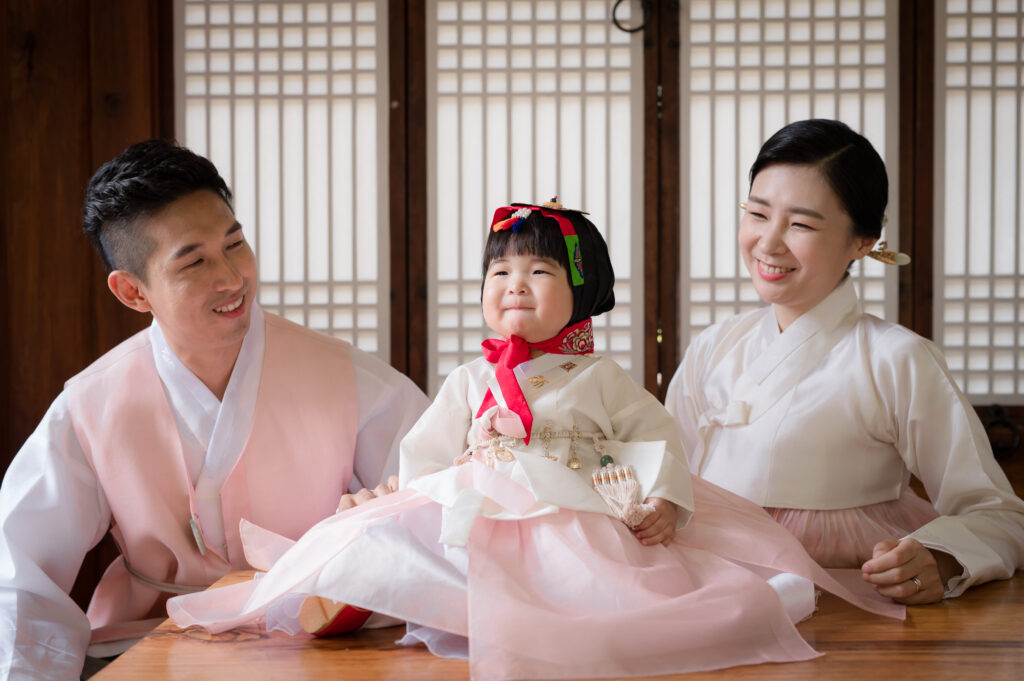
How Doljanchi Celebrations Have Changed
In earlier generations, Doljanchi celebrations were large events with many guests.
Today, the trend is shifting toward smaller, more intimate gatherings. Some families invite only close relatives. In households with multiple children, the first child may have a larger celebration, while younger siblings have simpler ones.
Like many traditions, Doljanchi is evolving — but its meaning remains.
Looking Back
For us, celebrating at a traditional hanok restaurant felt deeply connected to Korean culture. The setting, the ritual, the meal shared with loved ones — everything felt intentional.
More than the photos, more than the gold rings, what stays with me is the feeling of gratitude.
One year of growth.
One year of sleepless nights and laughter.
One year of becoming parents.
And that is what Doljanchi truly celebrates.
Have You Experienced a Doljanchi?
If you’ve attended a Korean first birthday celebration, what was your favorite part — the Doljabi ceremony, the food, or the traditional outfits?