
Why do Korean kids love small character toys so much?
If you spend time around Korean children, you’ll quickly notice how popular small character toys are. From tiny figurines to collectible characters, many kids love carrying them everywhere — to daycare, restaurants, and even on family trips. For parents visiting or living in Korea, this trend can be surprising at first, especially if you’re used to larger toys being more common.
As a parent in Korea, I’ve seen firsthand why these small toys are so appealing and how they fit naturally into everyday play.
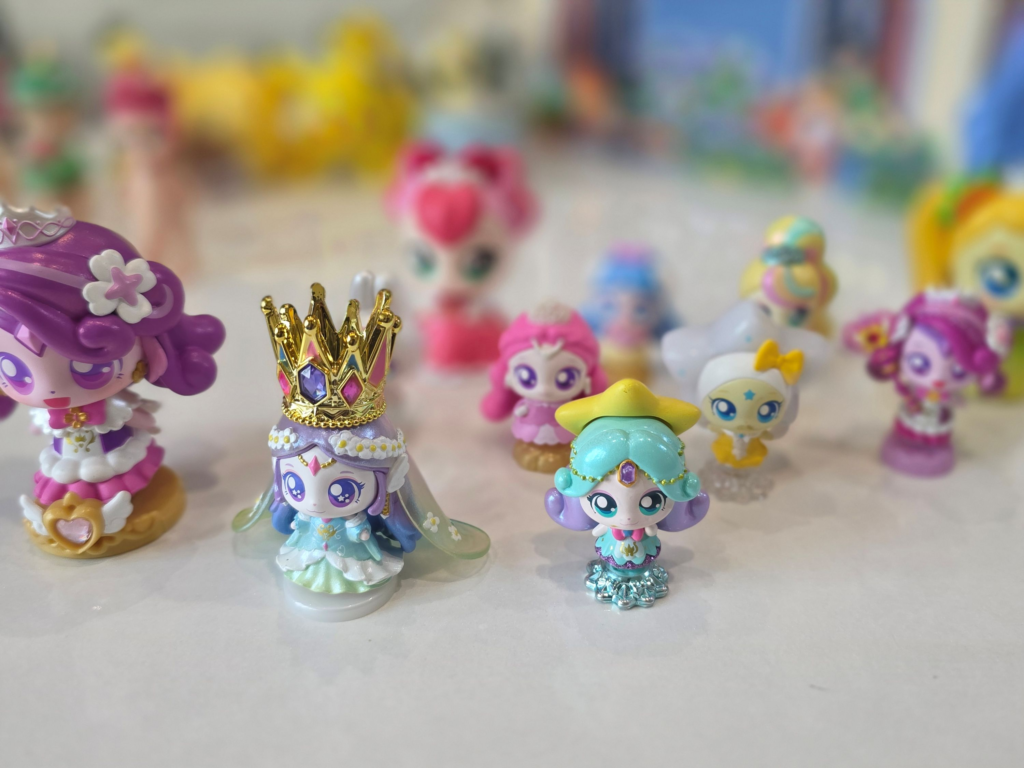
1. Small Toys Fit Korea’s Living Spaces
One practical reason is space. Many Korean families live in apartments, where storage can be limited compared to houses with large playrooms. Smaller toys are easier to organize, easier to clean up, and easier for kids to manage independently.
Because of this, compact toys like character figures become a natural choice for everyday play.
2. Strong Pretend Play Culture
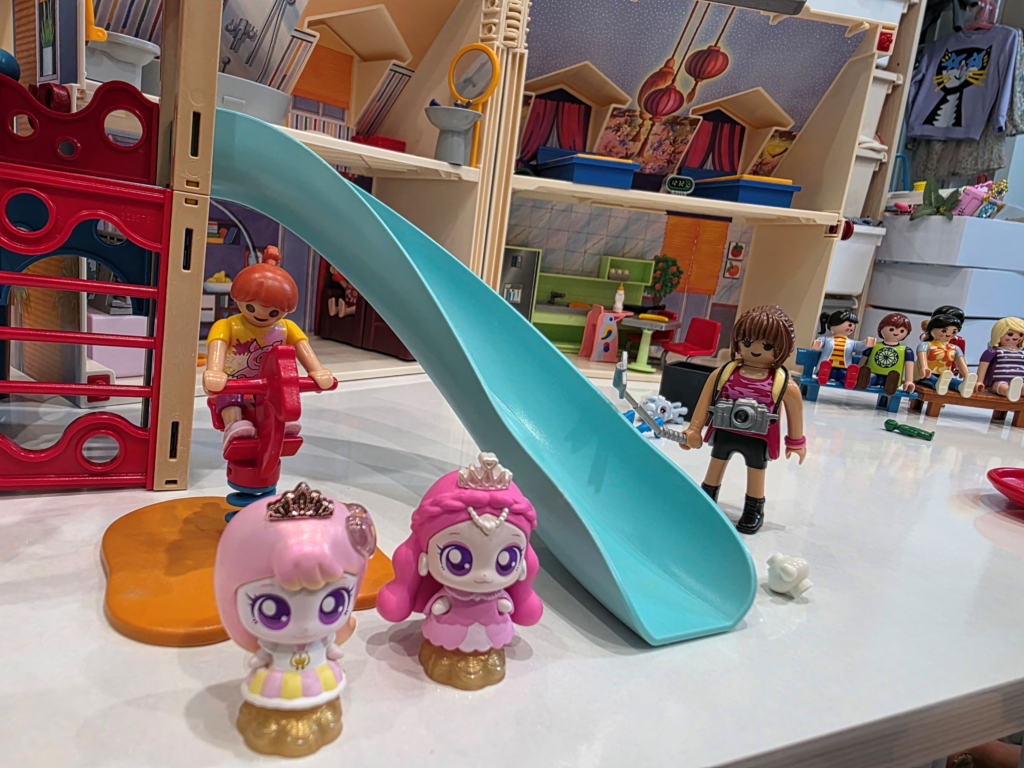
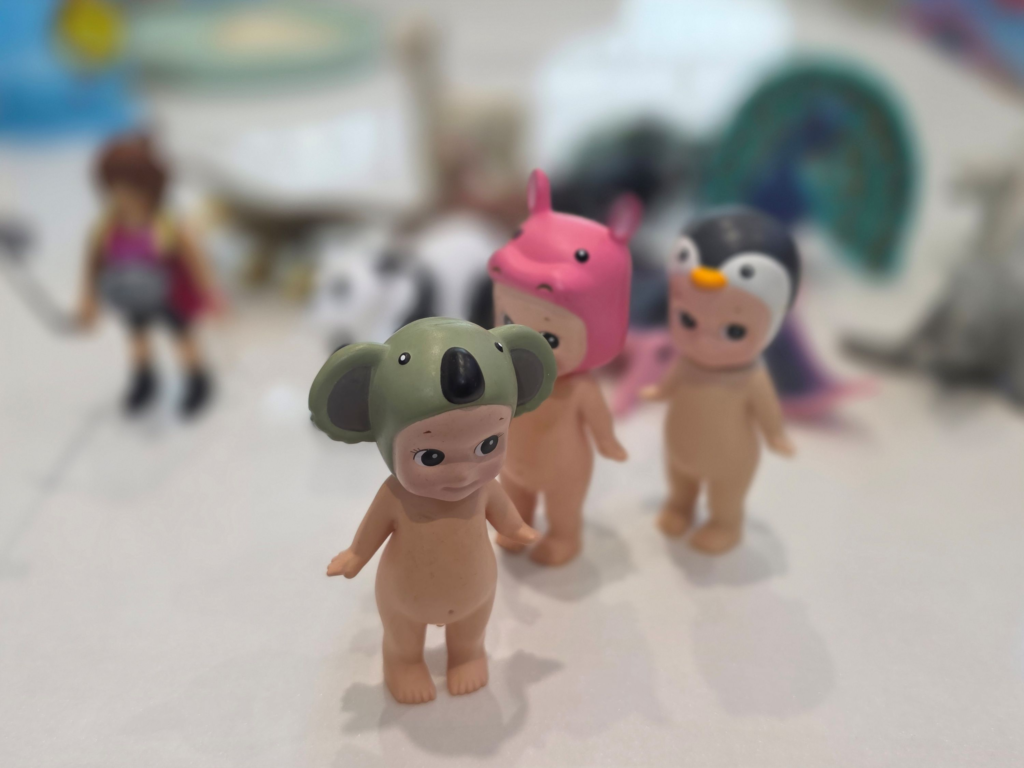
Korean children often enjoy role-playing activities from an early age. Small character toys are perfect for storytelling — kids can create homes, adventures, friendships, and imaginary worlds using just a few figures.
In our home, we frequently combine small character toys with larger play sets like Playmobil. Mixing different toys together actually encourages more creativity because children build their own stories rather than following a fixed theme.
If you’re curious how we combine different toys during playtime, I shared an example in another post here:
👉 https://pennyinkorea.com/korean-happy-meal-toys-review-how-we-play-with-playmobil/
3. Korea’s Powerful Character Industry
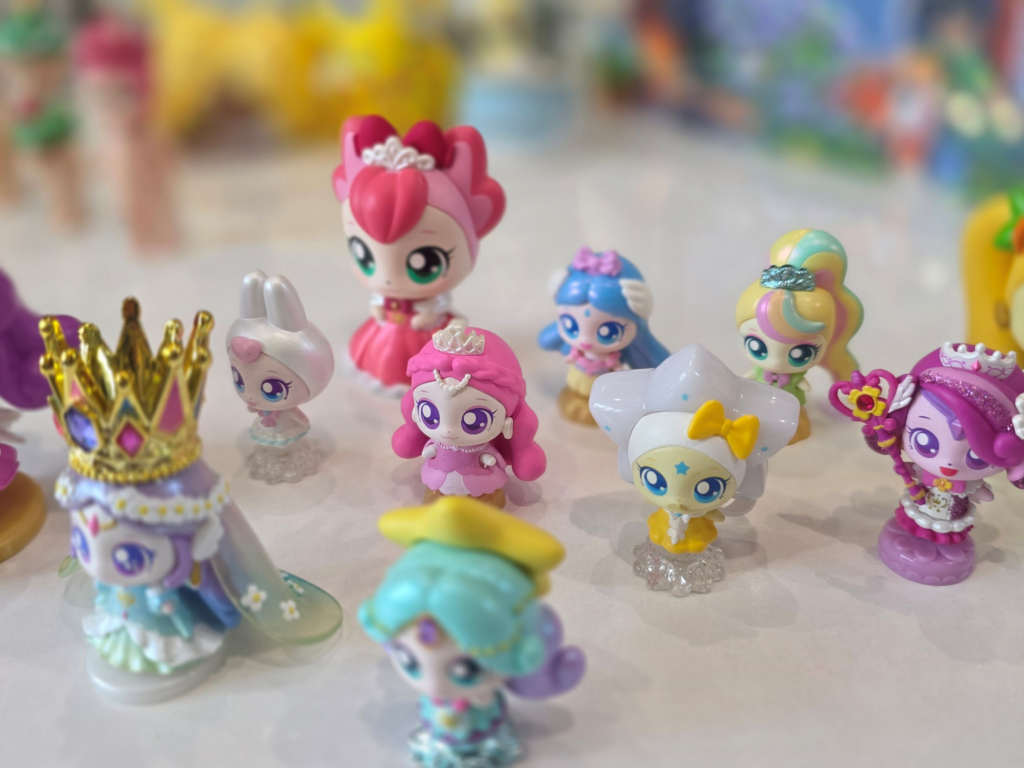
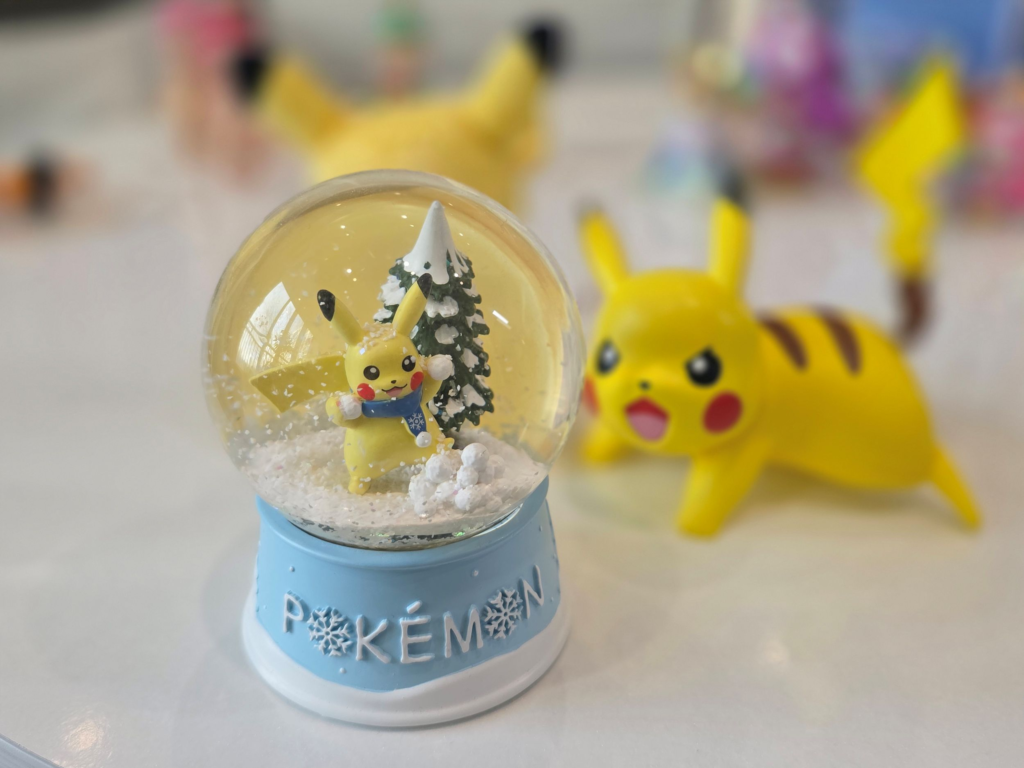
Another major reason is Korea’s strong children’s character industry. Popular characters like Teenieping, Pororo, Robocar Poli, and Hello Carbot are everywhere — TV shows, toys, stationery, clothing, and themed attractions.
When children already recognize characters from media, they naturally want small toys featuring those characters. These toys help them recreate stories they’ve seen on screen.
You can see an example of how popular character toys are in Korea in my Teenieping experience here:
👉 https://pennyinkorea.com/why-is-teenieping-so-popular-in-korea-a-parent-guide-2026/
4. Easy Accessibility and Affordable Options
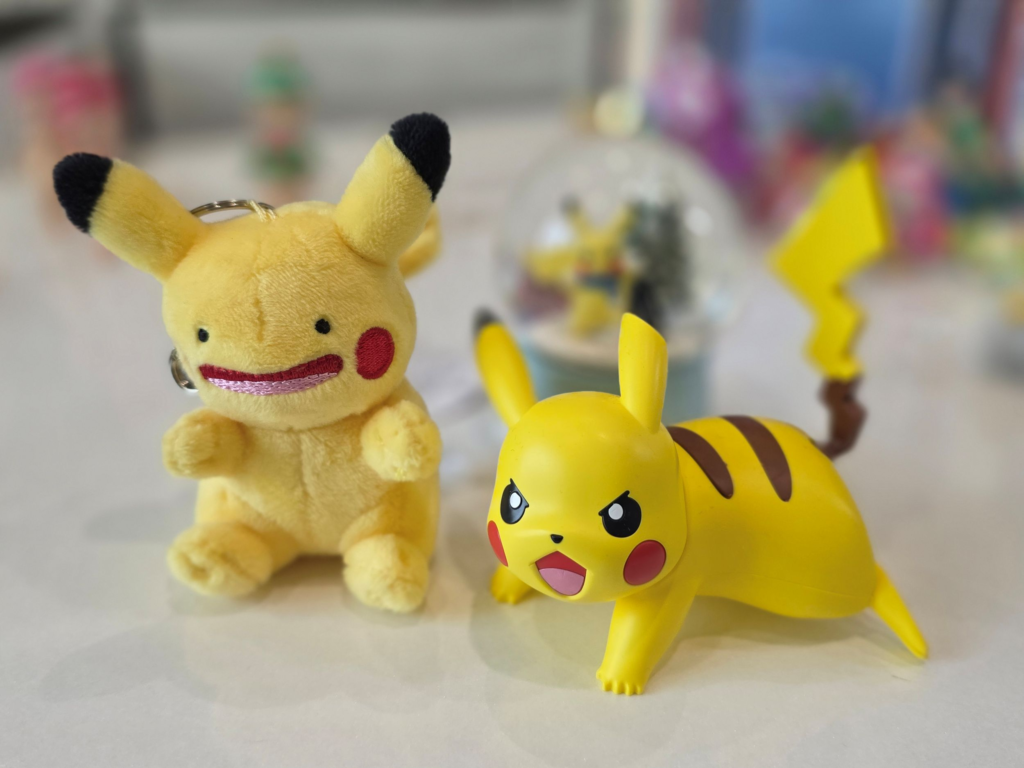
Small character toys are also widely available and affordable. Parents can find them in toy stores, convenience shops, bookstores, and even fast-food promotions.
For example, Korean McDonald’s Happy Meal toys are often surprisingly well-made and easy to collect. Many families use them as an affordable way to add new figures to their child’s play collection.
I recently shared a review of Korean Happy Meal toys here:
👉 https://pennyinkorea.com/new-korean-mcdonalds-happy-meal-toys-2026-ocean-animals-with-playmobil-play-guide/
5. Benefits from a Parent’s Perspective
From a parenting perspective, small character toys have several advantages:
- They encourage imagination and storytelling
- They help develop social interaction during group play
- They are easy to carry outside the home
- They can be combined with other toys for extended playtime
- They often keep children engaged longer than expected
In our experience, children don’t necessarily need large or expensive toys to have meaningful play experiences.
6. The Kidult Culture: When Adults Love Cute Characters Too
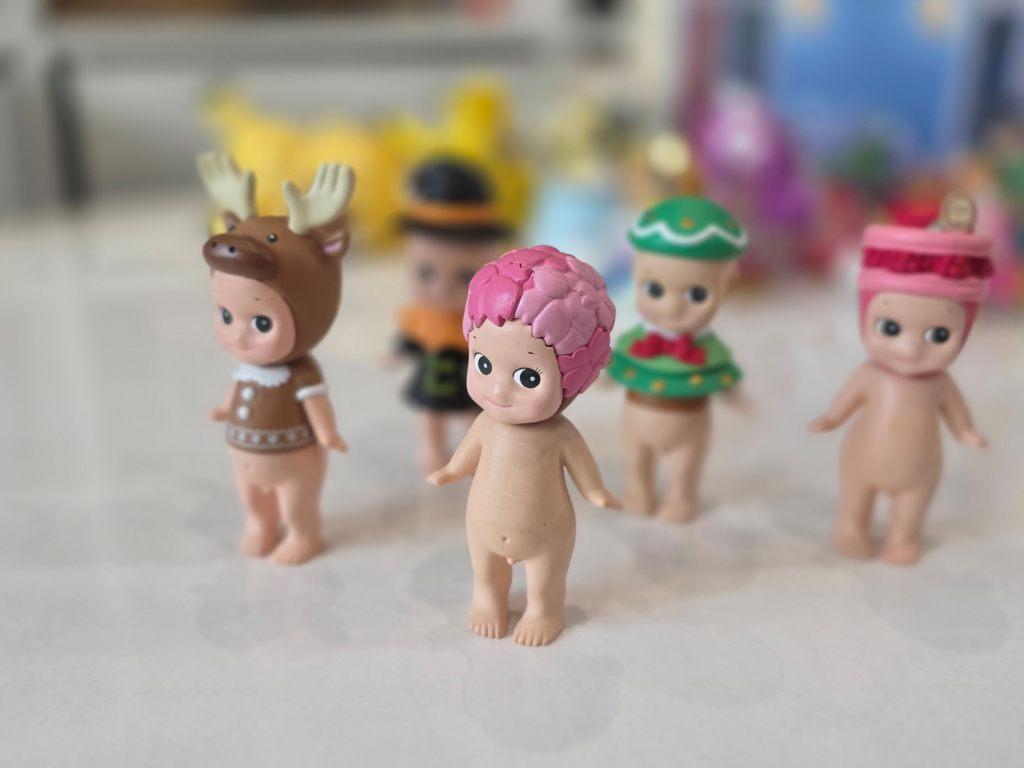
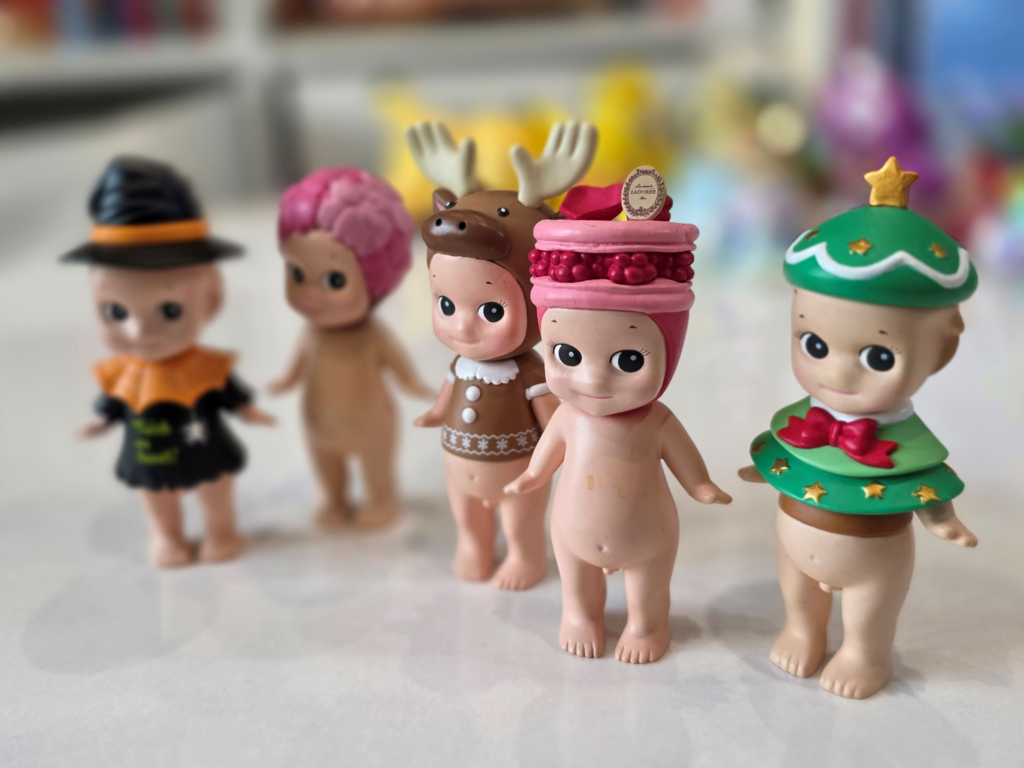
Another important reason small character toys are so popular in Korea is that many adults also love cute things. There is even a term for this group — “kidults,” which refers to adults who enjoy collecting toys, characters, and cute merchandise that are traditionally associated with children.
In Korea, it’s very common to see adults collecting character figures, limited-edition toys, or themed merchandise from popular animations and brands. Because of this culture, parents are often more willing to buy character toys for their children when they personally find them appealing or adorable. In some cases, the purchase decision is influenced just as much by the parent’s taste as the child’s interest.
From a parent’s perspective, this makes a big difference. When a toy feels aesthetically pleasing rather than just childish, it’s easier to justify buying it. The toy becomes something that both the parent and the child can enjoy together, which naturally increases its popularity in families.
Final Thoughts
The popularity of small character toys in Korea isn’t just about trends — it reflects living environments, media culture, and play styles that support creativity and imagination.
For parents, these toys can be a simple but effective way to encourage independent play and storytelling skills. And for kids, sometimes the smallest toys create the biggest adventures.